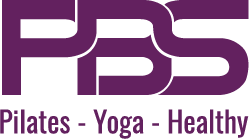
Back pain is one of the most common issues people experience today. Long hours sitting, poor posture, and lack of movement can all contribute to discomfort in the lower back and spine.
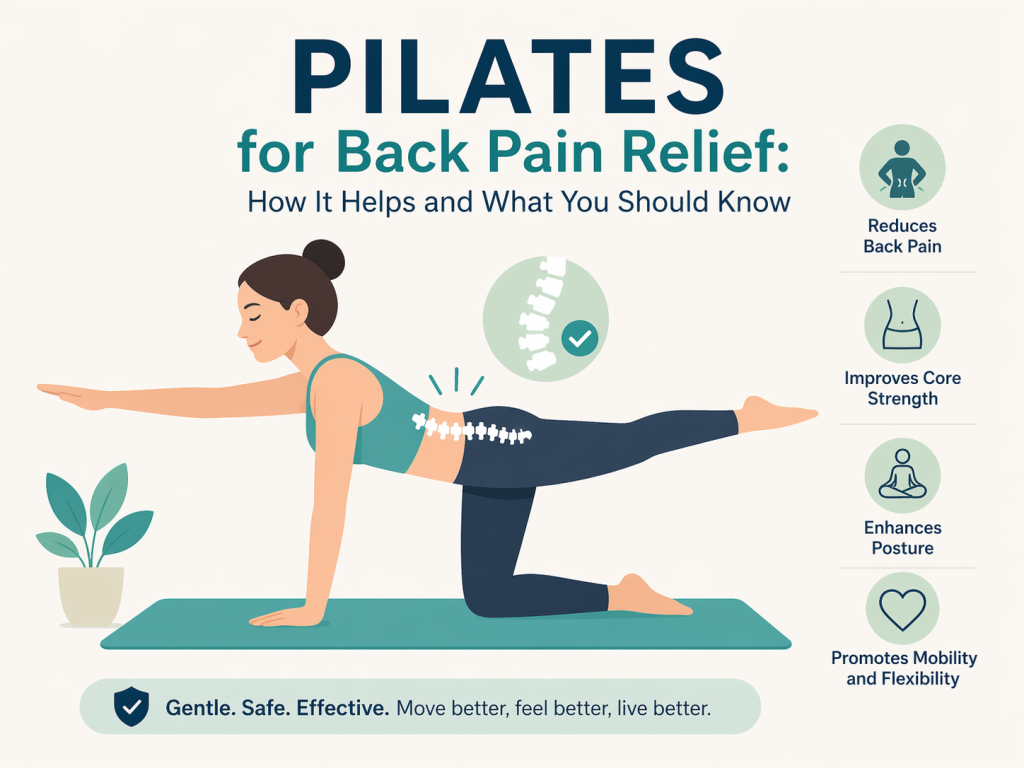
Many people look for safe and effective ways to reduce pain without putting more stress on their body. This is where Pilates can be a helpful solution.
Pilates focuses on strengthening the muscles that support the spine, improving posture, and helping the body move more efficiently. Over time, this can help reduce tension and improve overall comfort.
Why back pain happens
Back pain often develops due to muscle imbalances and poor movement habits.
Common causes include:
• sitting for long periods
• weak core muscles
• poor posture
• lack of physical activity
• tight muscles in the hips and lower back
When the muscles that support the spine are weak, the body may rely on incorrect movement patterns. This can lead to discomfort over time.
How Pilates helps relieve back pain
Pilates is designed to improve the way the body moves and functions.
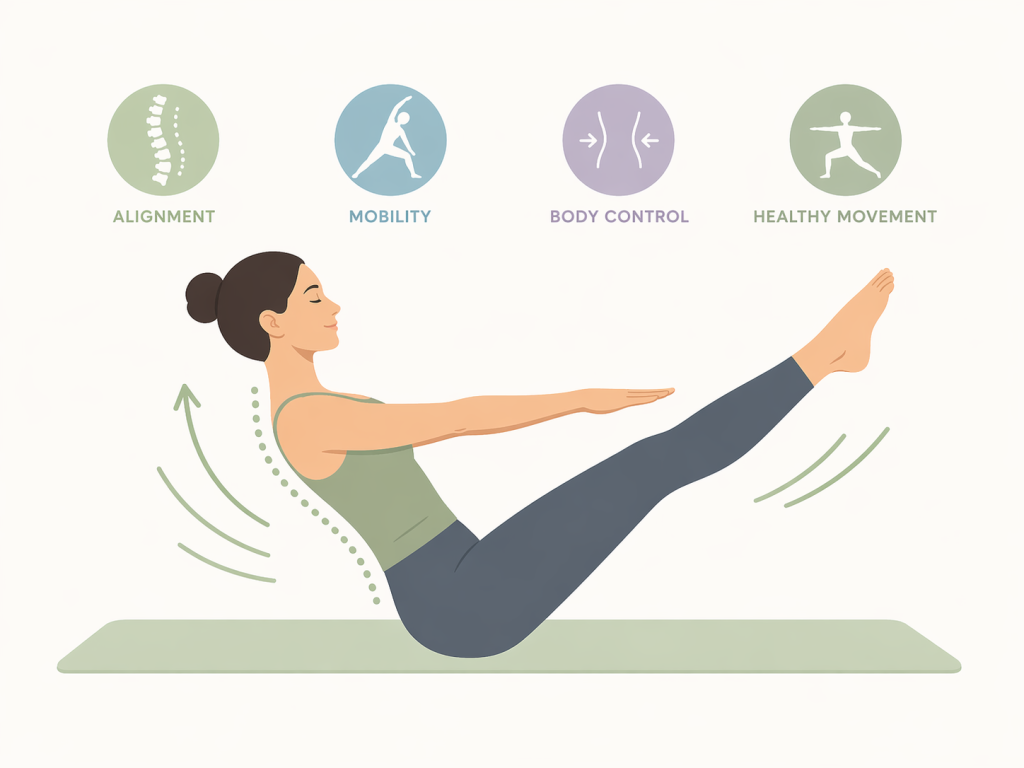
It focuses on strengthening the deep muscles that stabilize the spine and improving alignment.
Here are the key ways Pilates can help reduce back pain:
1. Strengthens the core muscles
The core muscles play a major role in supporting the spine.
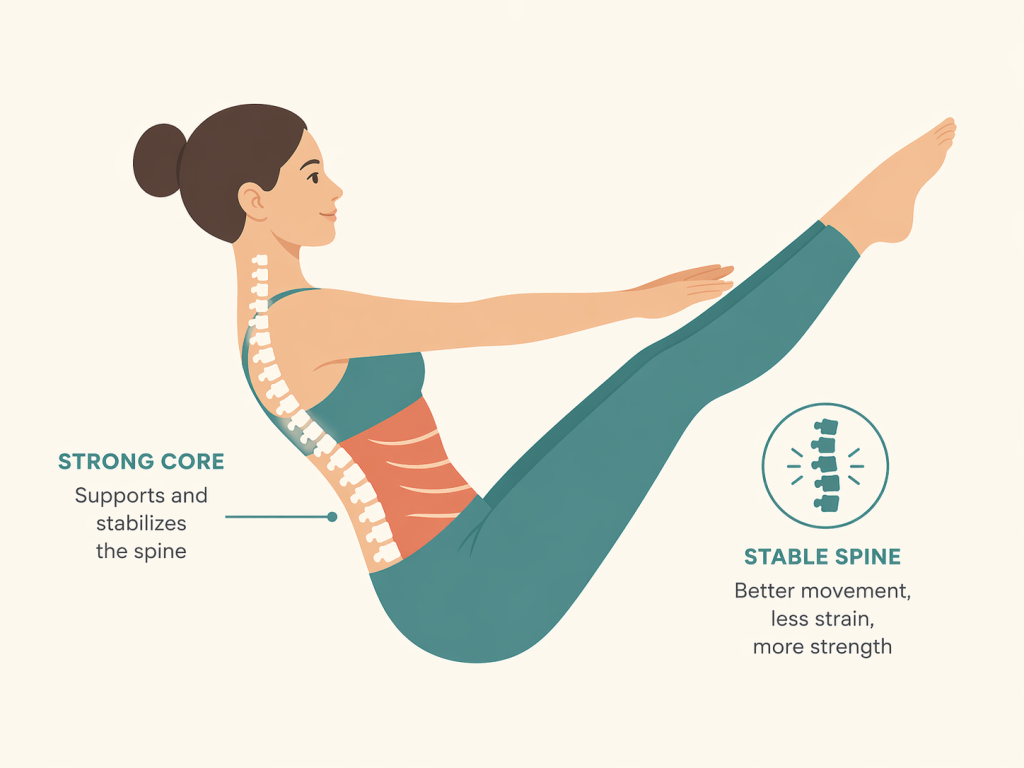
Pilates targets the deep muscles in the abdomen and lower back, helping create better stability.
A stronger core reduces pressure on the spine and helps prevent unnecessary strain.
2. Improves posture
Poor posture is one of the main causes of back discomfort.
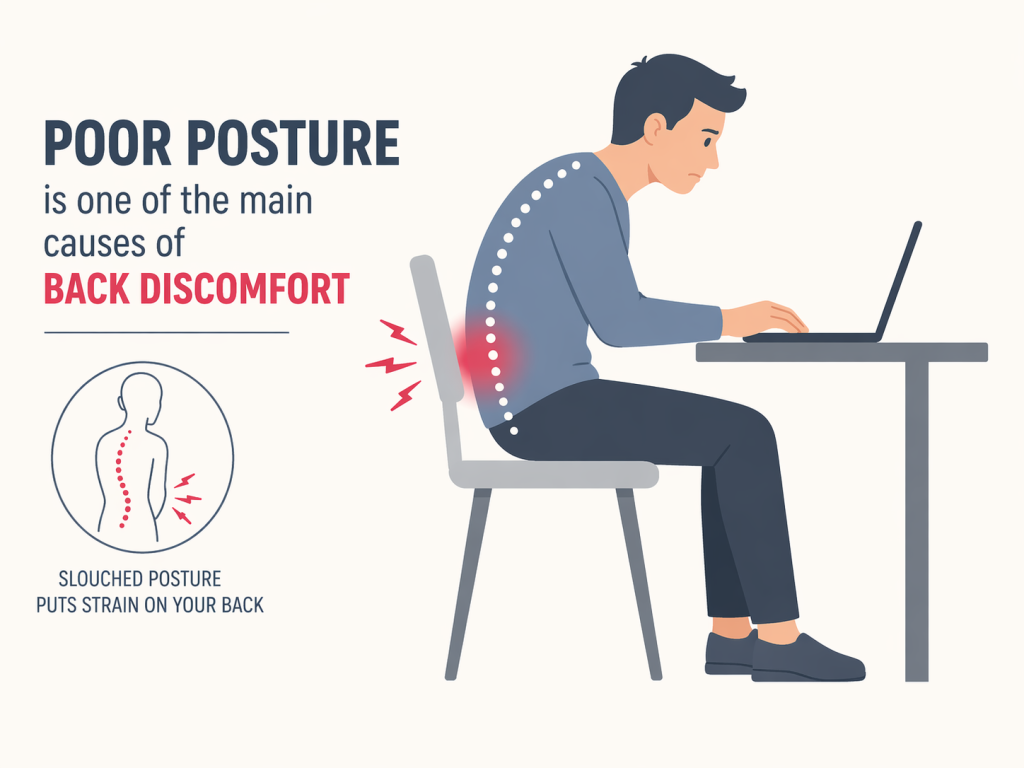
Pilates helps correct posture by strengthening the muscles that keep the body aligned.
Over time, this reduces tension in the neck, shoulders, and lower back.
3. Reduces muscle tension
Tight muscles can pull the body out of alignment and cause discomfort.
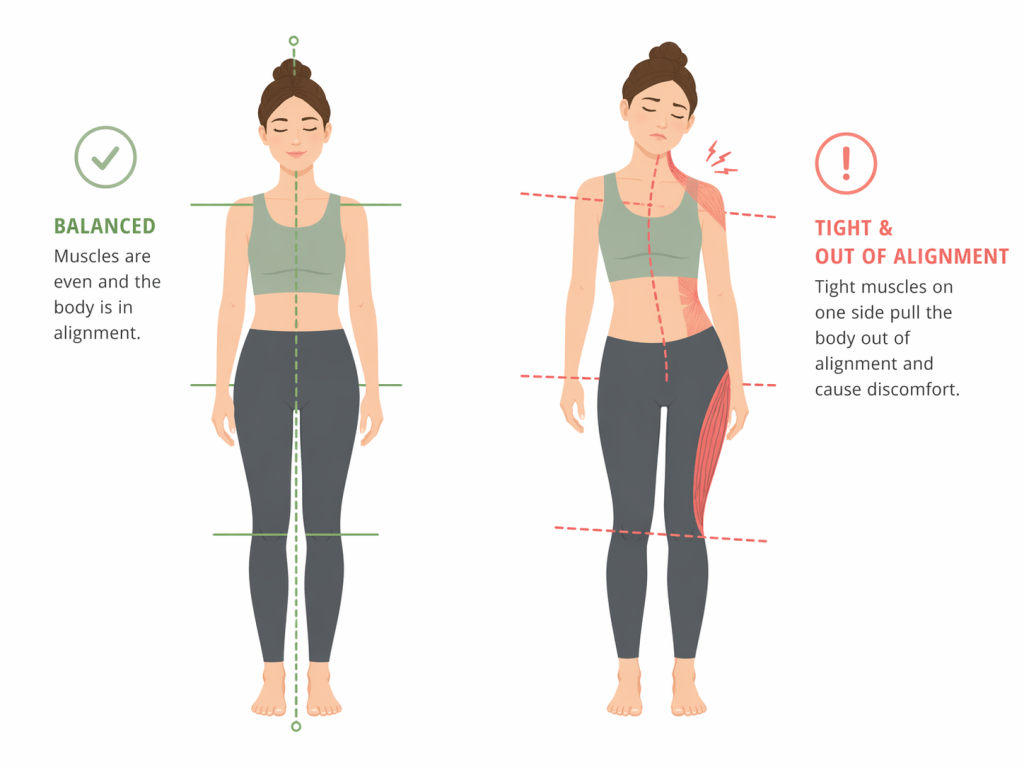
Pilates includes controlled stretching and movement that helps release tension in the body.
This can improve mobility and make everyday movements feel easier.
4. Encourages proper movement patterns
Pilates teaches the body how to move correctly.
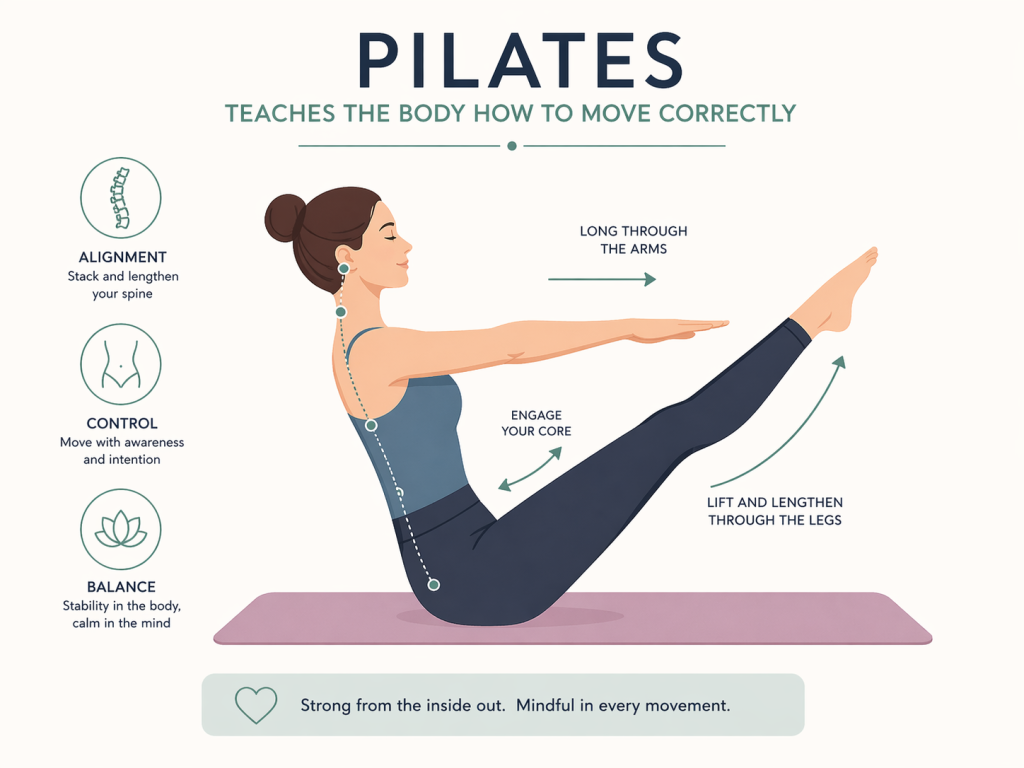
Instead of relying on weaker muscles, the body learns to engage the right muscles at the right time.
Better movement patterns reduce the risk of strain and injury.
5. Low-impact and gentle on the body
Pilates is a low-impact form of exercise, meaning it does not put excessive pressure on joints or the spine.
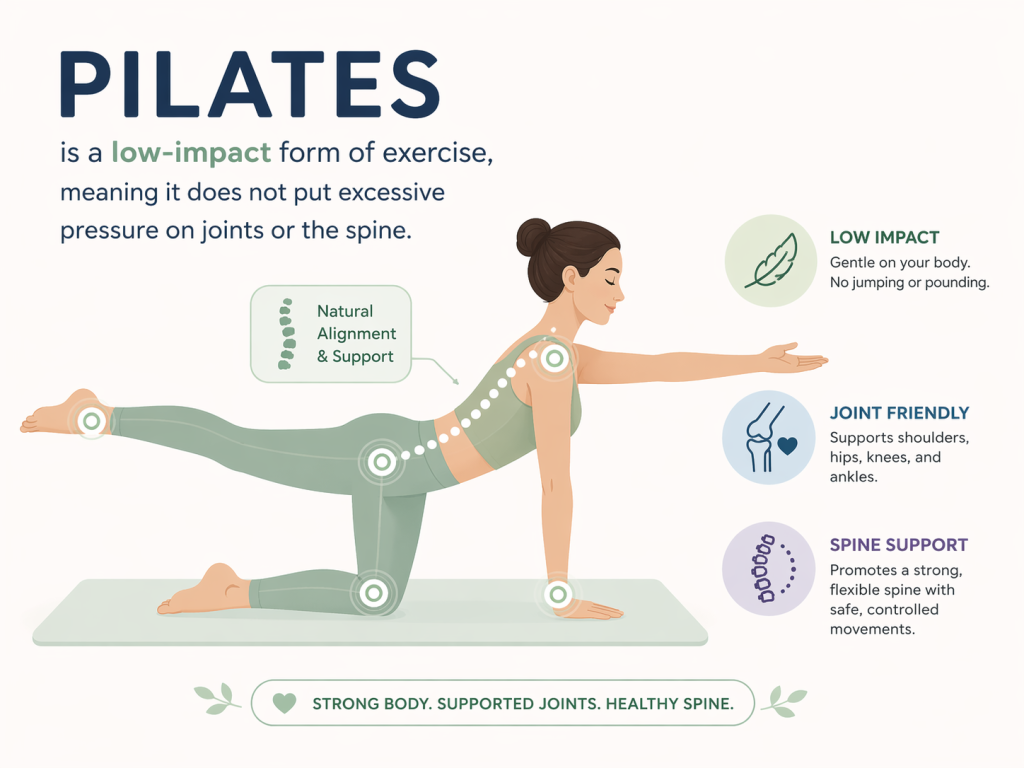
This makes it suitable for people who want to exercise safely while managing discomfort.
Exercises can be adjusted to match individual needs.
Is Reformer Pilates better for back pain?
Reformer Pilates is often recommended for people with back discomfort.
The reformer machine provides support and controlled resistance, which helps guide movement safely.
Benefits of Reformer Pilates for back pain include:
• better support for the spine
• controlled resistance for safe strengthening
• improved alignment during exercises
• easier adjustment for different fitness levels
Many beginners find reformer sessions helpful because the machine assists with correct movement.
How often should you do Pilates for back pain?
For best results, practicing Pilates 2–3 times per week is recommended.
Regular sessions help build strength gradually and improve posture over time.
Consistency is important for long-term improvement.
Small changes in strength and movement can lead to noticeable results.
When will you start to feel better?
Some people begin to feel relief after a few sessions.
However, long-term improvement usually happens with consistent practice over several weeks.
Common early changes include:
• reduced muscle tension
• improved posture
• better body awareness
• easier movement
Results vary depending on individual condition and lifestyle.
Tips for practicing Pilates with back pain
If you are starting Pilates to reduce back discomfort, keep these tips in mind:
Start slowly
Begin with beginner-friendly exercises.
Focus on technique
Proper form helps avoid unnecessary strain.
Communicate with your instructor
Let them know about any discomfort.
Avoid forcing movements
Exercises should feel controlled, not painful.
Be consistent
Regular practice helps build strength and improve movement.
Who should consider Pilates for back pain?
Pilates can be helpful for:
• office workers who sit for long periods
• people with mild to moderate back discomfort
• beginners looking for a safe exercise method
• individuals who want to improve posture
• people looking for low-impact movement
Pilates is often recommended as part of a balanced approach to improving physical health.
Final thoughts
Pilates is a safe and effective way to support back health.
By strengthening the core, improving posture, and encouraging proper movement, Pilates can help reduce discomfort and improve overall mobility.
With consistent practice, many people experience less tension and better control of their body.
If you are looking for a gentle and sustainable way to improve back health, Pilates can be a valuable part of your routine.