Many people start Pilates because they want to lose weight, tone their body, and feel more confident. A common question beginners ask is: Is Pilates actually effective for weight loss?
The answer is yes — but in a different way compared to high-intensity workouts.
Pilates focuses on building lean muscle, improving posture, and increasing body awareness. These changes can support long-term weight management and help shape the body in a balanced and sustainable way.
If your goal is not only to lose weight but also to feel stronger and healthier, Pilates can be an excellent choice.
How Pilates supports weight loss
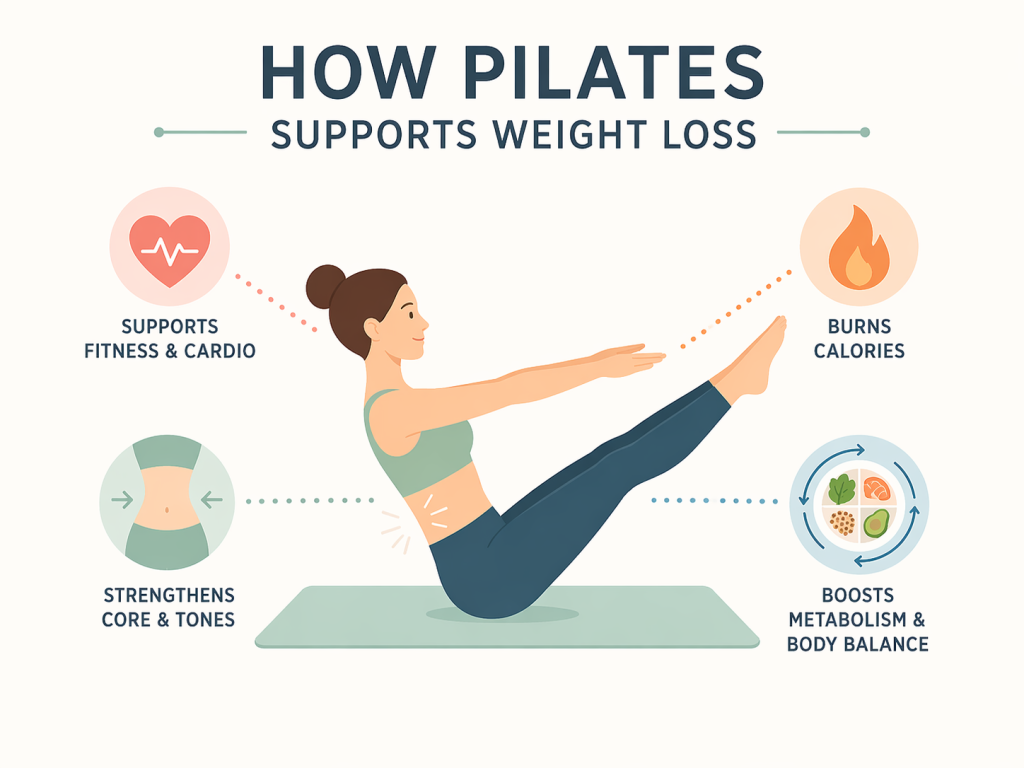
Pilates may not feel as intense as some workouts, but it plays an important role in improving body composition.
Weight loss happens when the body uses more energy than it consumes. Pilates contributes to this process by increasing muscle activity, improving movement efficiency, and encouraging consistency in exercise habits.
Over time, regular Pilates practice helps the body become stronger, more active, and better balanced.
1. Builds lean muscle
Pilates focuses on controlled movements that engage deep muscles, especially the core, hips, and back.
Muscle tissue requires more energy to maintain than fat tissue. As lean muscle develops, the body may naturally burn more calories throughout the day.
Instead of creating bulky muscles, Pilates helps create a toned and balanced appearance.
2. Improves body shape and posture
Good posture can make the body look taller, slimmer, and more confident.
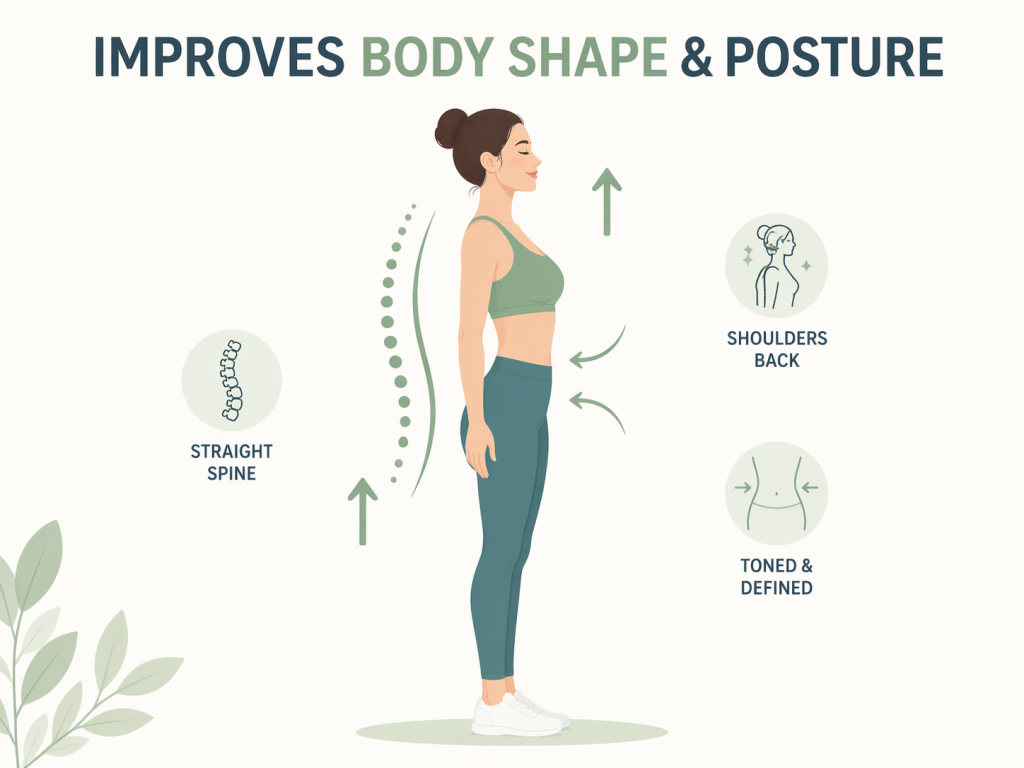
Pilates strengthens the muscles that support spinal alignment. Many people notice that their waist appears more defined and their overall shape becomes more balanced after consistent practice.
Improved posture can create visible changes even before significant weight loss occurs.
3. Encourages consistent exercise habits
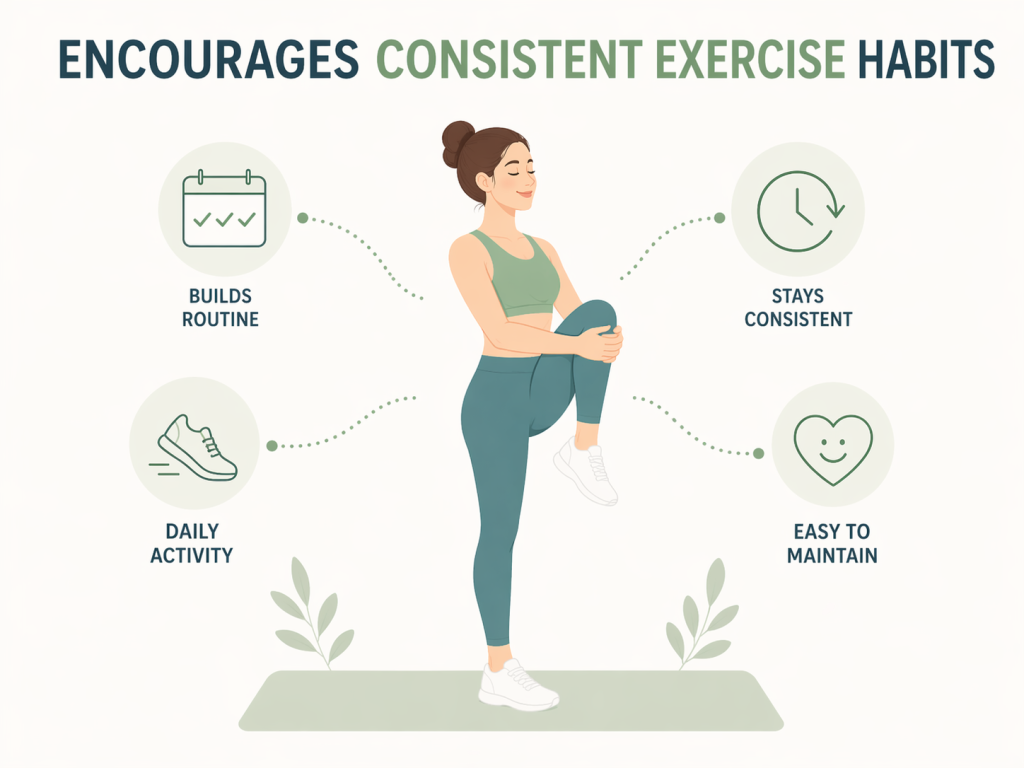
One of the biggest challenges in weight loss is maintaining a consistent routine.
Pilates is low-impact and gentle on the joints, making it easier to practice regularly without feeling overwhelmed or exhausted.
Consistency is often more important than intensity when it comes to long-term results.
People who enjoy their workouts are more likely to continue exercising over time.
4. Strengthens the core and abdominal muscles
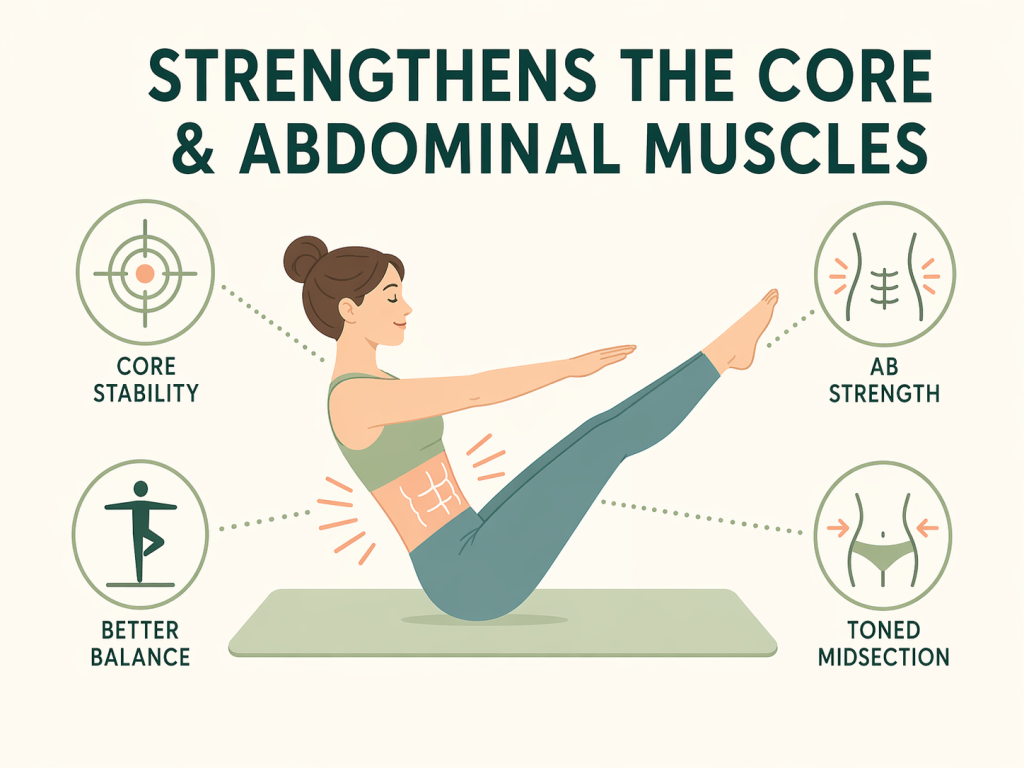
Pilates is well known for strengthening the core muscles.
A stronger core supports better movement and stability. It also helps create a firmer and more toned midsection.
While Pilates does not specifically target fat in only one area, stronger muscles contribute to a more defined body shape.
5. Improves flexibility and movement efficiency
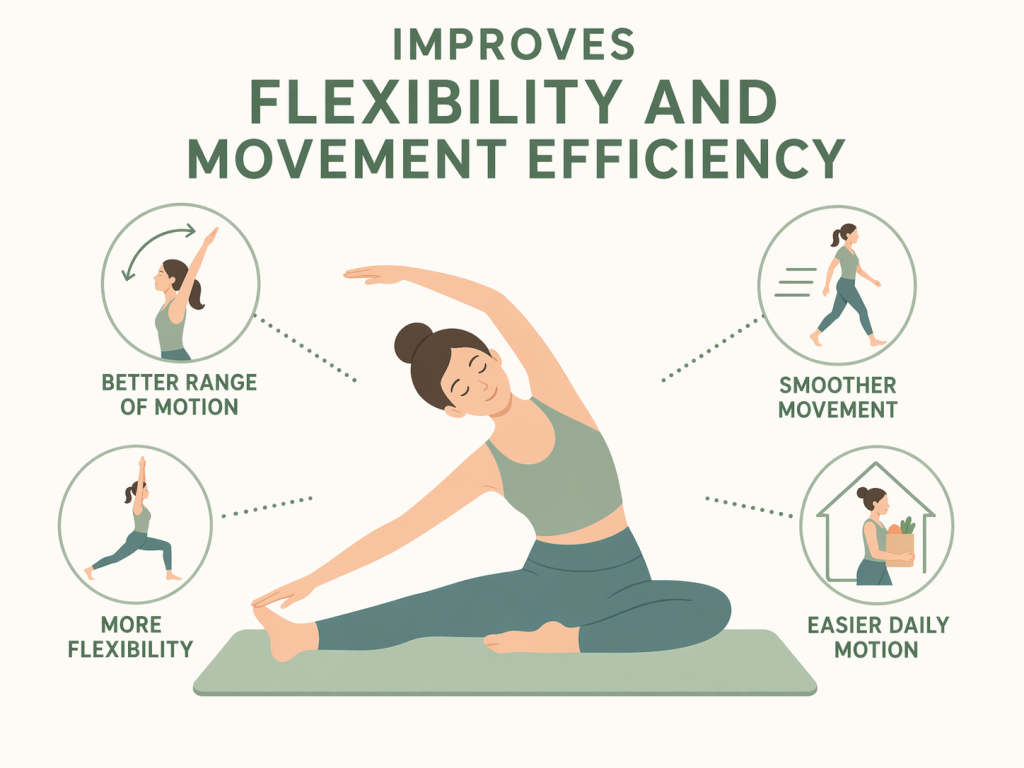
When the body moves more efficiently, daily activities may require less effort and feel more comfortable.
Pilates helps improve mobility and flexibility, allowing the body to move more freely.
Improved movement can encourage a more active lifestyle, which supports overall health and weight management.
6. Helps reduce stress-related habits
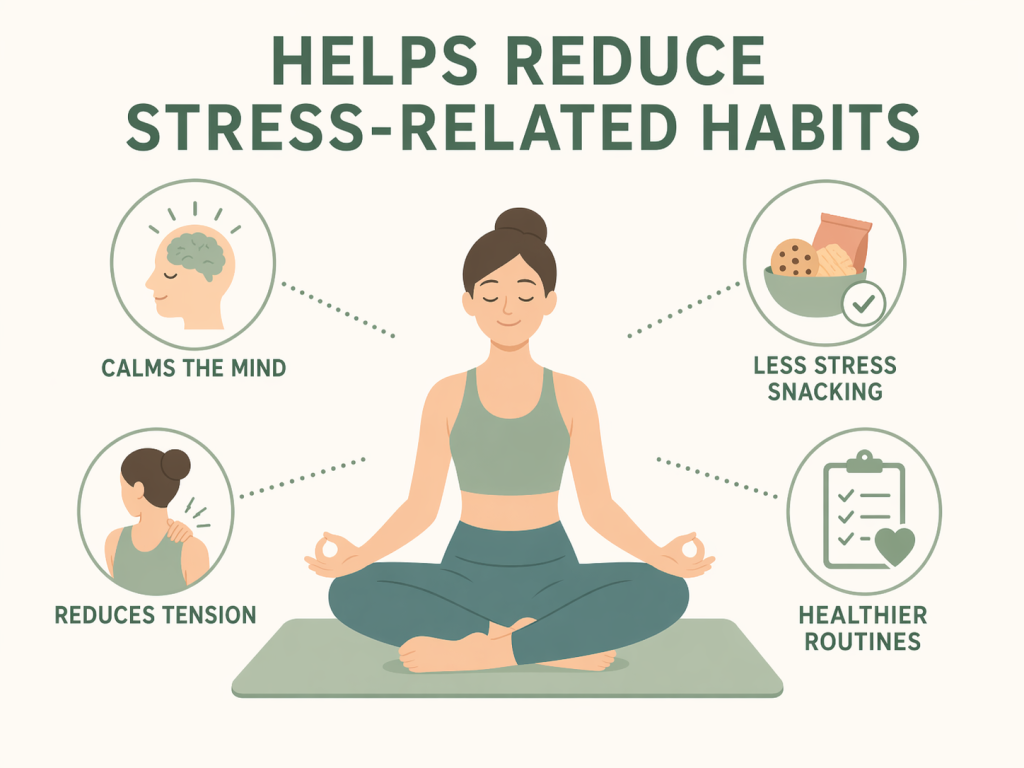
Stress can sometimes lead to unhealthy habits such as overeating or low physical activity.
Pilates encourages controlled breathing and mindful movement. Many people feel calmer and more relaxed after a session.
Better stress management can support healthier lifestyle choices.
How many calories does Pilates burn?
The number of calories burned during Pilates depends on factors such as body weight, intensity, and session duration.
On average:
• beginner sessions may burn moderate calories
• reformer sessions may increase muscle engagement
• longer sessions may increase total energy use
Although Pilates may not burn as many calories as some high-intensity workouts, it supports muscle development and long-term consistency.
Both factors are important for sustainable weight management.
How long does it take to see weight loss results?
Results vary depending on lifestyle, diet, and exercise frequency.
Many people begin to notice physical changes after several weeks of consistent practice.
Common early changes include:
• improved posture
• stronger core muscles
• increased flexibility
• more body awareness
• a more toned appearance
Visible weight changes may take longer, but body composition can improve gradually over time.
Is Pilates enough for weight loss?
Pilates can be part of an effective weight management routine.
For best results, many people combine Pilates with:
• regular physical activity
• balanced nutrition
• healthy sleep habits
• consistent exercise schedule
Pilates helps build a strong foundation for a healthy lifestyle.
Who should choose Pilates for body transformation?
Pilates is a good option for people who want:
• a toned and balanced body
• improved posture
• a sustainable fitness routine
• low-impact exercise
• gradual and long-term results
Pilates is often preferred by individuals who want to feel stronger without extreme workouts.
Final thoughts
Pilates can support weight loss by improving muscle tone, posture, and overall movement quality.
Rather than focusing only on fast results, Pilates helps build long-term habits that support a healthy and balanced body.
With consistent practice, many people experience improved strength, better posture, and a more confident appearance.
If you are looking for a safe and effective way to improve your body and overall well-being, Pilates can be a valuable part of your routine.