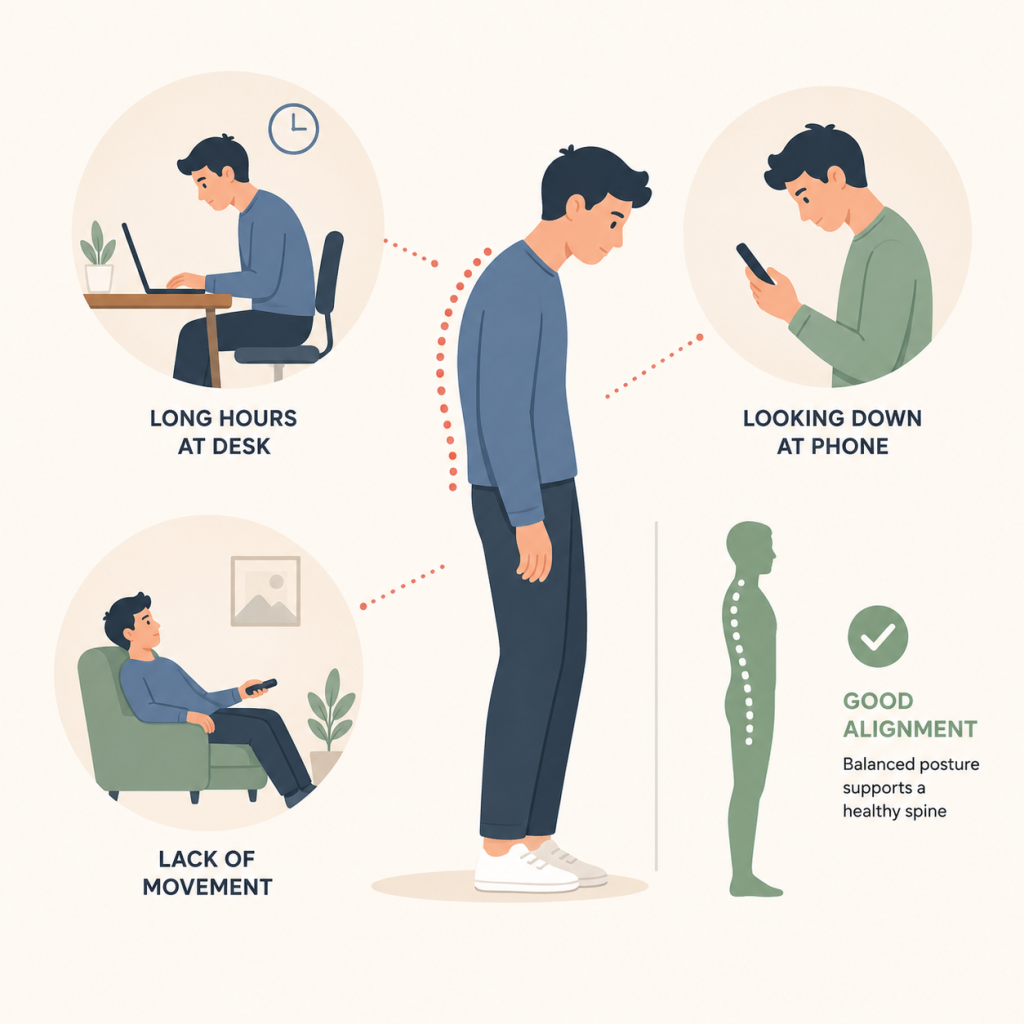
Poor posture has become increasingly common in modern life. Long hours sitting at desks, looking down at phones, and lack of movement can all affect the way the body aligns itself.
Over time, poor posture may lead to:
• neck and shoulder tension
• lower back discomfort
• rounded shoulders
• stiffness and fatigue
• reduced mobility
Many people try to “sit up straight,” but posture is not only about forcing the body into position. True posture improvement comes from strengthening the muscles that support proper alignment.
This is where Pilates can make a major difference.
Pilates focuses on core strength, body awareness, flexibility, and controlled movement — all of which help improve posture naturally and sustainably.
What is posture?
Posture refers to the way the body holds itself while sitting, standing, or moving.
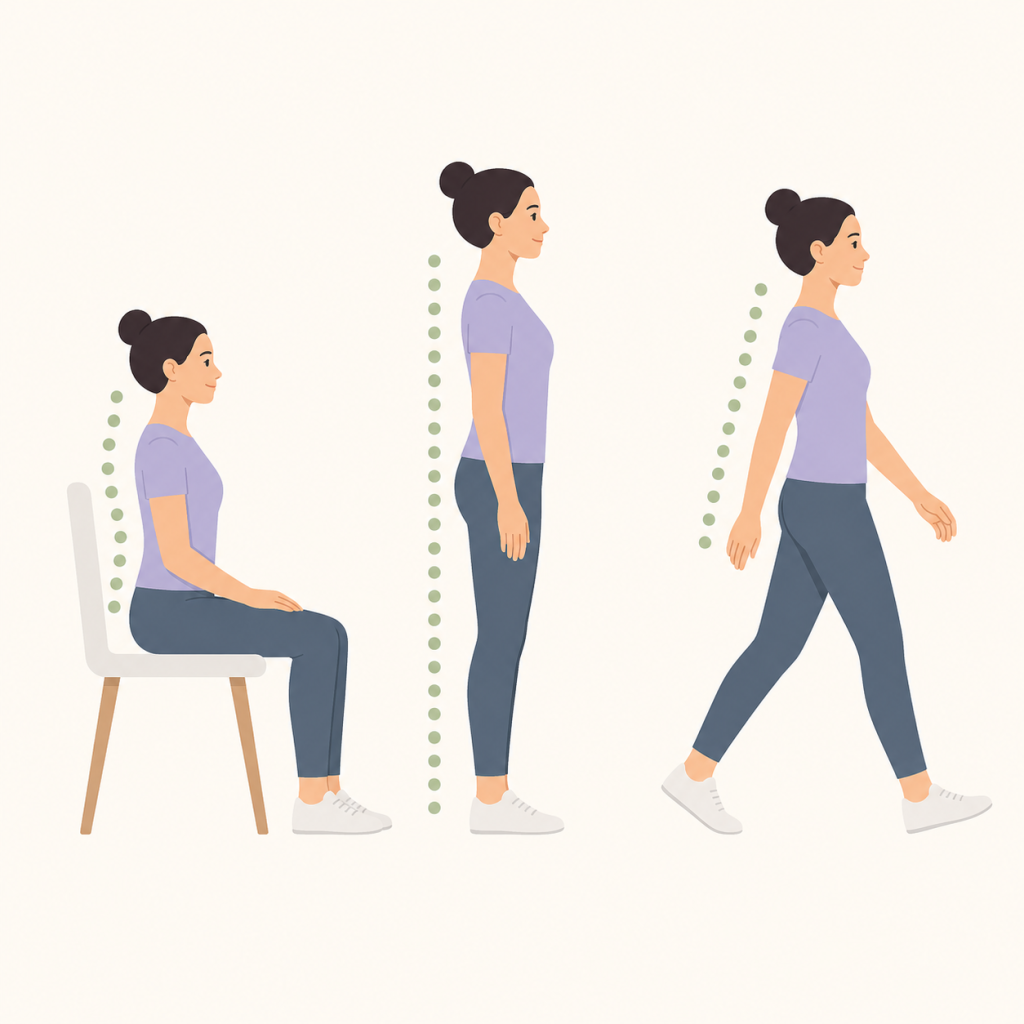
Good posture means the body is aligned in a balanced position that places minimal stress on muscles and joints.
Proper posture generally includes:
• head aligned above the shoulders
• relaxed shoulders
• neutral spine alignment
• engaged core muscles
• balanced weight distribution
When posture is poor, some muscles become tight while others become weak.
This imbalance can create discomfort and inefficient movement patterns.
Why modern lifestyle affects posture
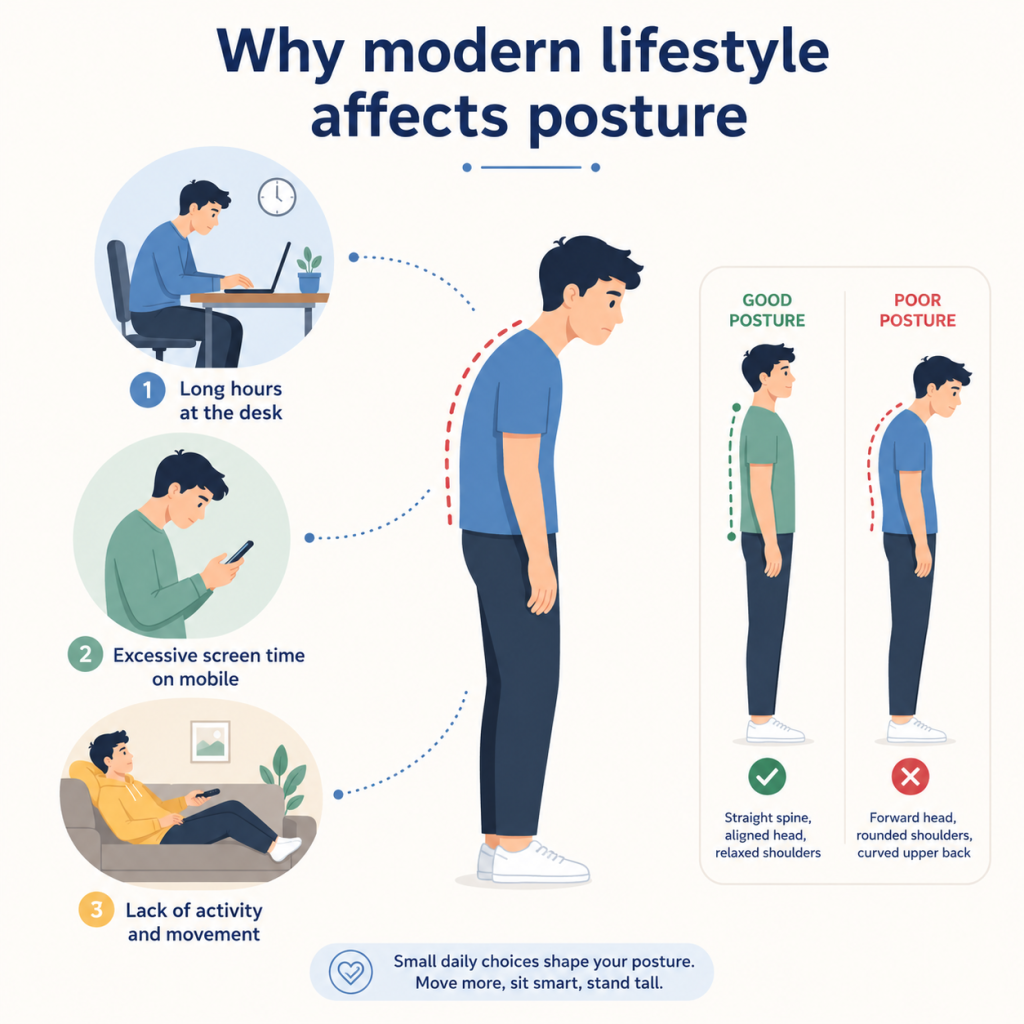
Many daily habits contribute to posture problems.
Common causes include:
• sitting for long periods
• looking down at phones
• weak core muscles
• lack of physical activity
• poor workstation setup
Over time, the body adapts to these positions.
This often leads to:
• rounded shoulders
• forward head posture
• weak back muscles
• tight hips and chest muscles
Without correction, these habits may continue to worsen.
How Pilates improves posture
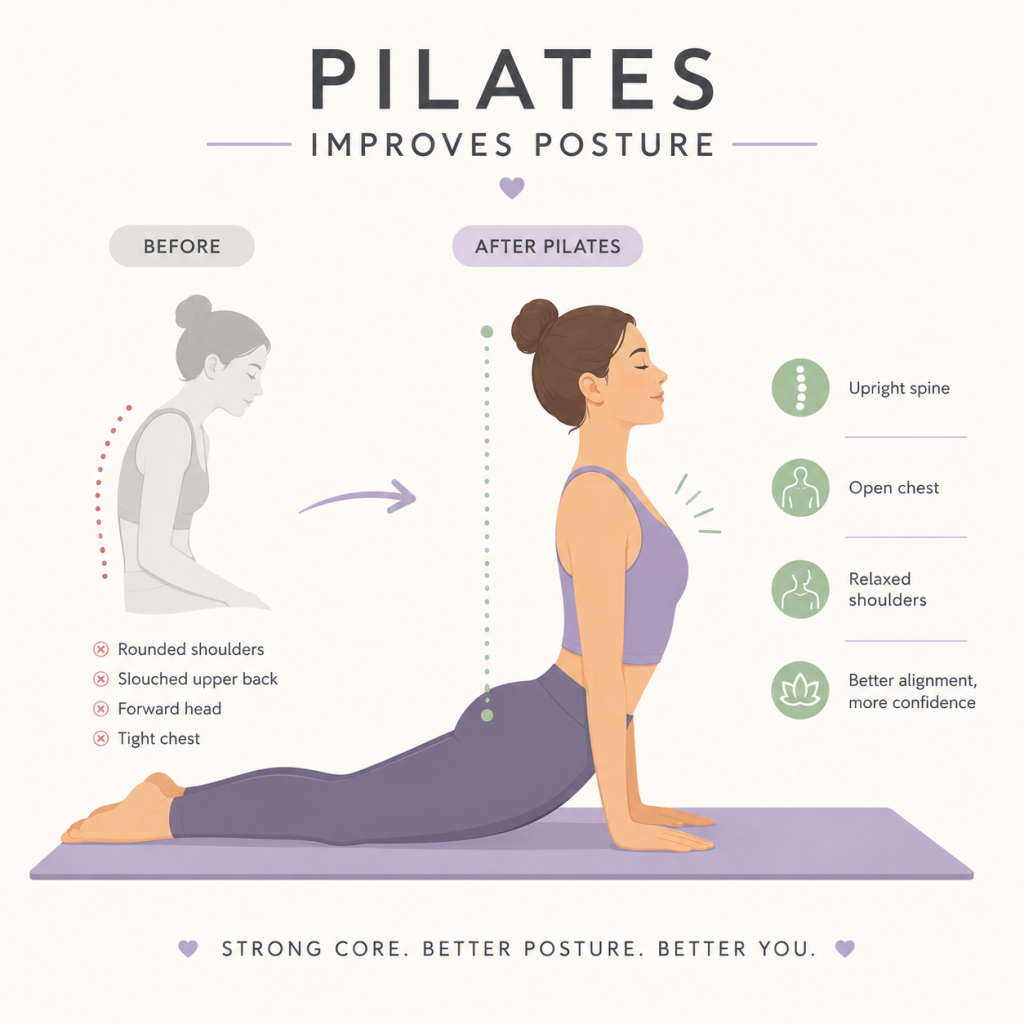
Pilates is one of the most effective exercises for posture improvement because it strengthens the body while teaching proper alignment.
Instead of only stretching tight muscles, Pilates focuses on correcting the underlying imbalances that affect posture.
1. Pilates strengthens the core
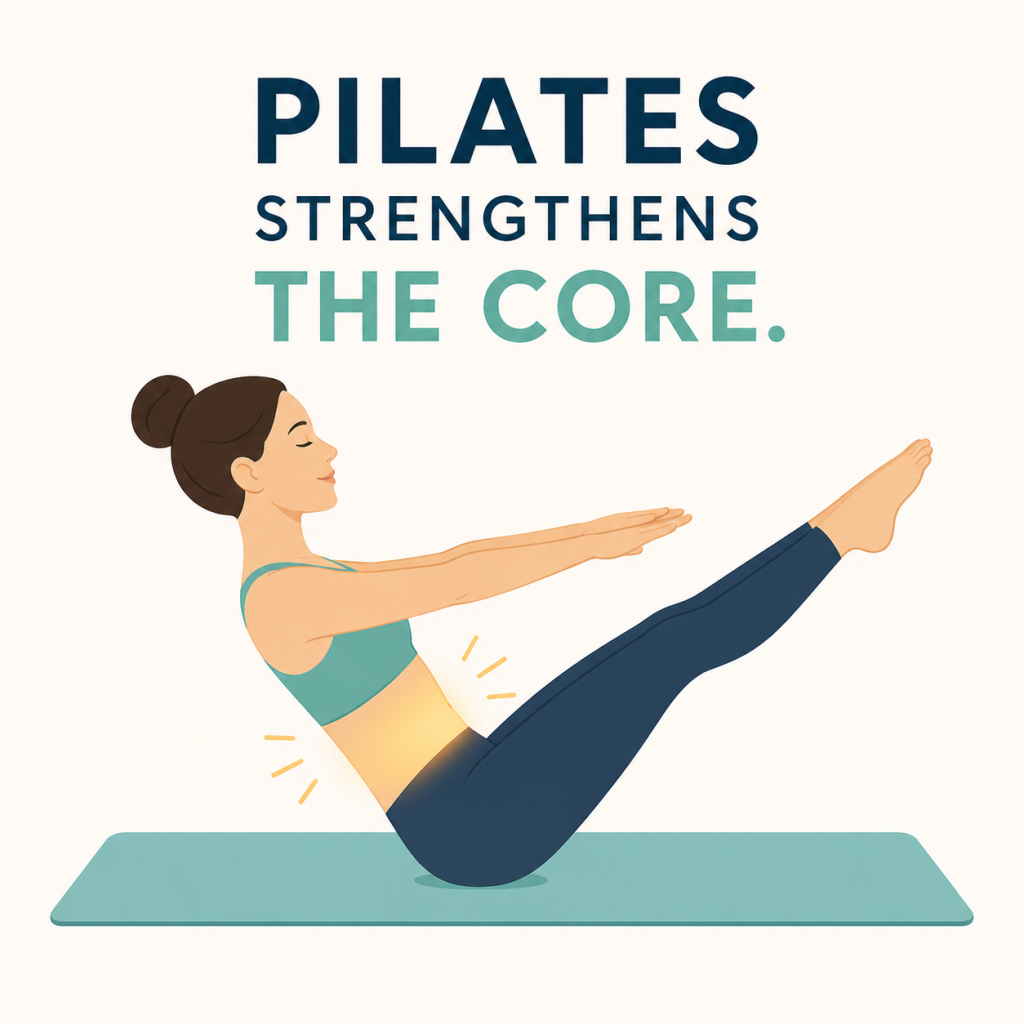
The core muscles support the spine and help keep the body stable.
Pilates targets deep abdominal and back muscles that are essential for posture.
A stronger core helps:
• support the lower back
• reduce strain on the spine
• improve stability
• maintain upright posture more comfortably
Many posture problems are connected to weak core muscles.
2. Pilates improves body awareness
One of the biggest benefits of Pilates is increased body awareness.
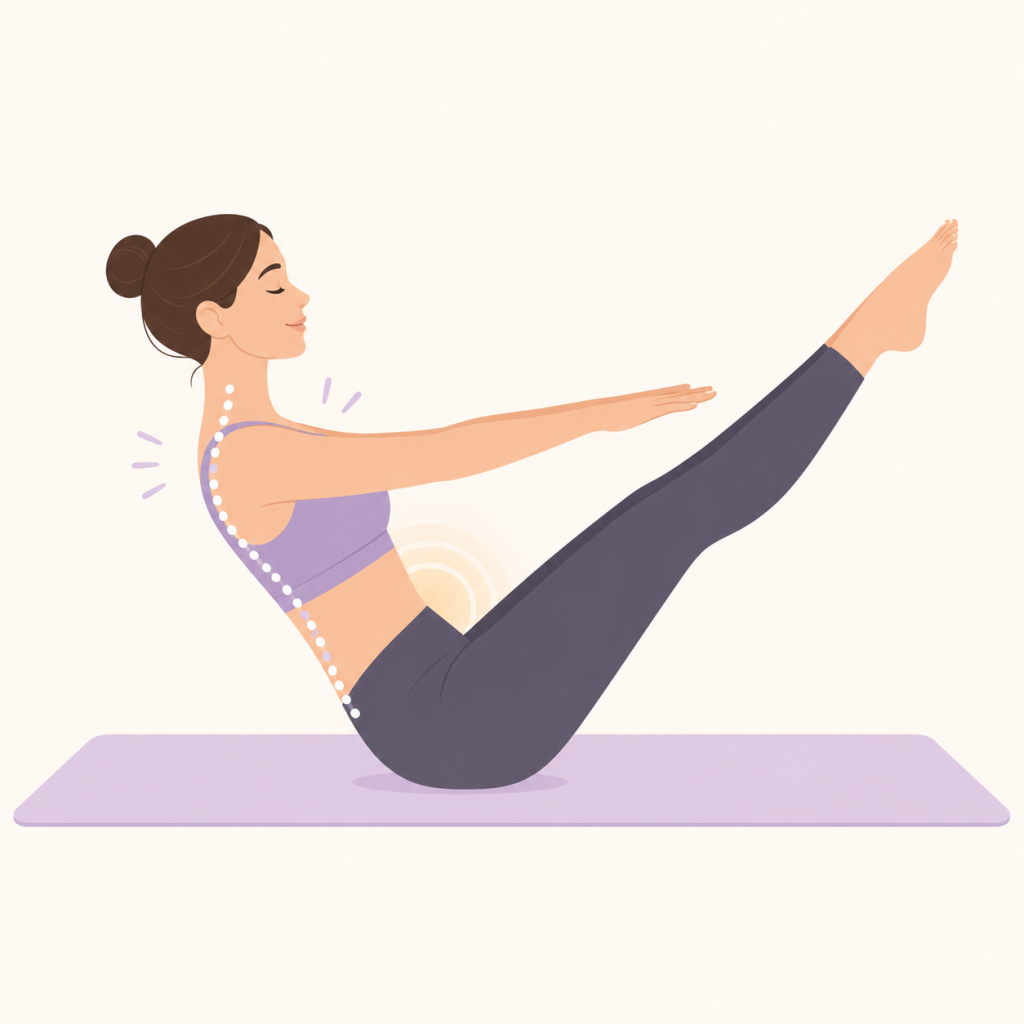
During Pilates exercises, you learn:
• how your body moves
• where tension builds
• how to align the spine correctly
This awareness helps you notice poor posture habits throughout the day.
Over time, better posture begins to feel more natural.
3. Pilates helps open the chest and shoulders
Rounded shoulders are very common, especially for people who work at desks.
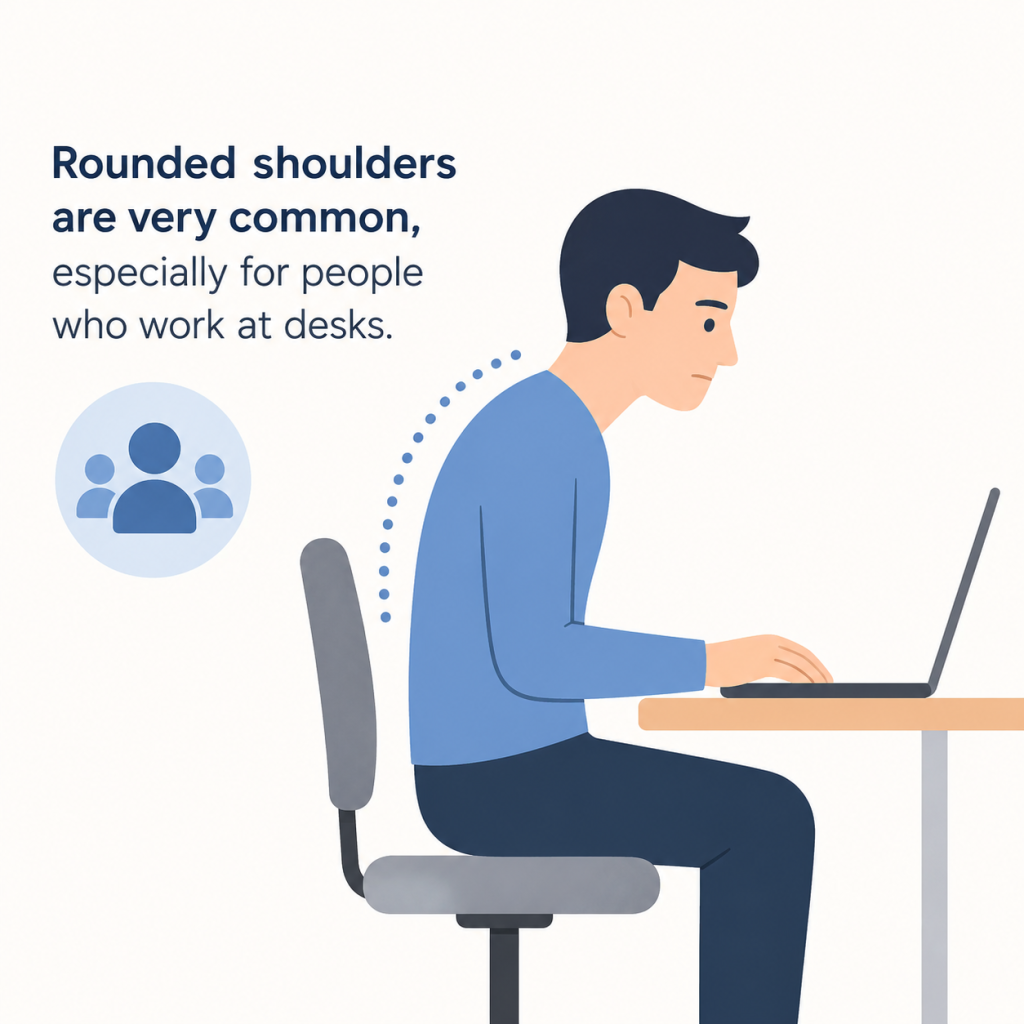
Pilates includes exercises that strengthen the upper back while stretching tight chest muscles.
This helps:
• reduce shoulder tension
• improve shoulder positioning
• create a more open posture
A more open posture often improves comfort and confidence.
4. Pilates improves spinal alignment
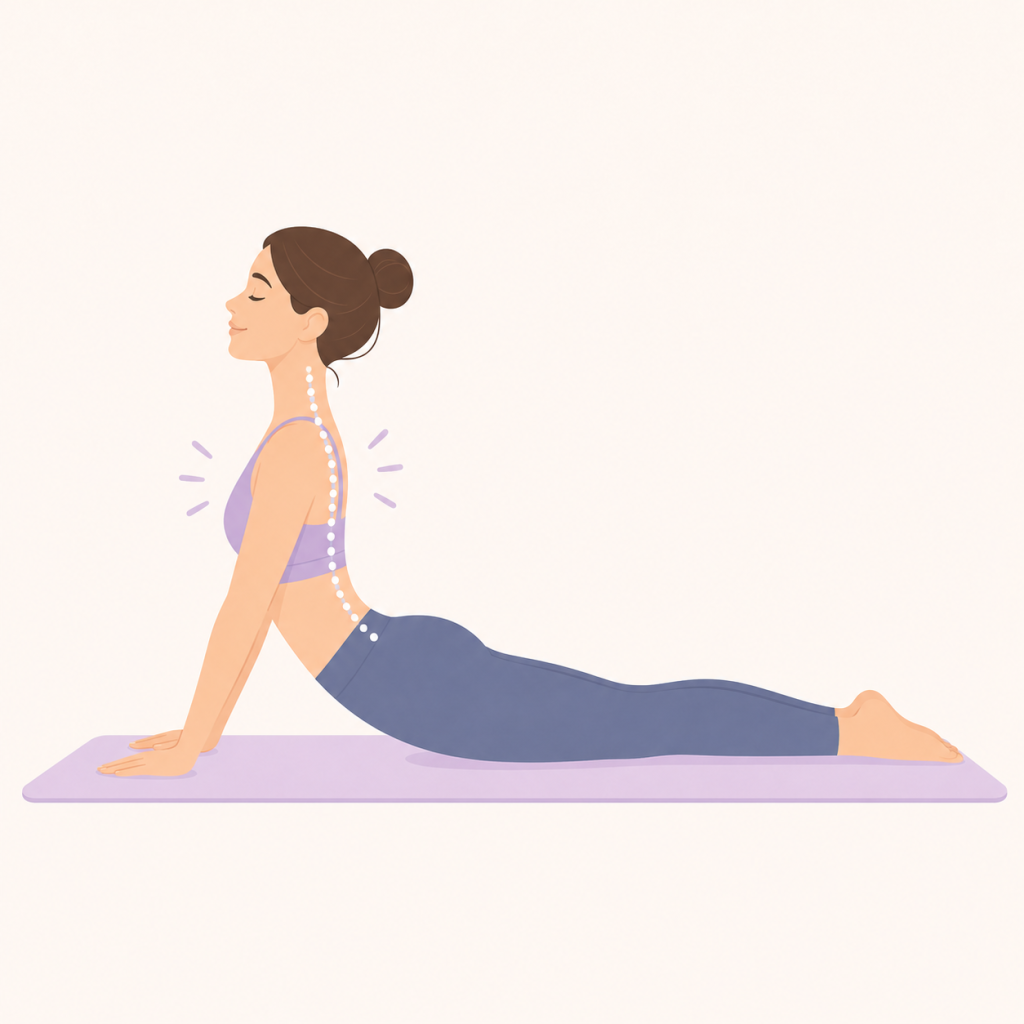
Pilates focuses heavily on neutral spine positioning.
Exercises are performed with careful attention to alignment and controlled movement.
This helps train the body to maintain healthier movement patterns during daily activities.
Better alignment reduces unnecessary stress on muscles and joints.
5. Pilates increases flexibility and mobility
Tight muscles can pull the body out of proper alignment.
Pilates helps improve flexibility in areas that commonly affect posture, including:
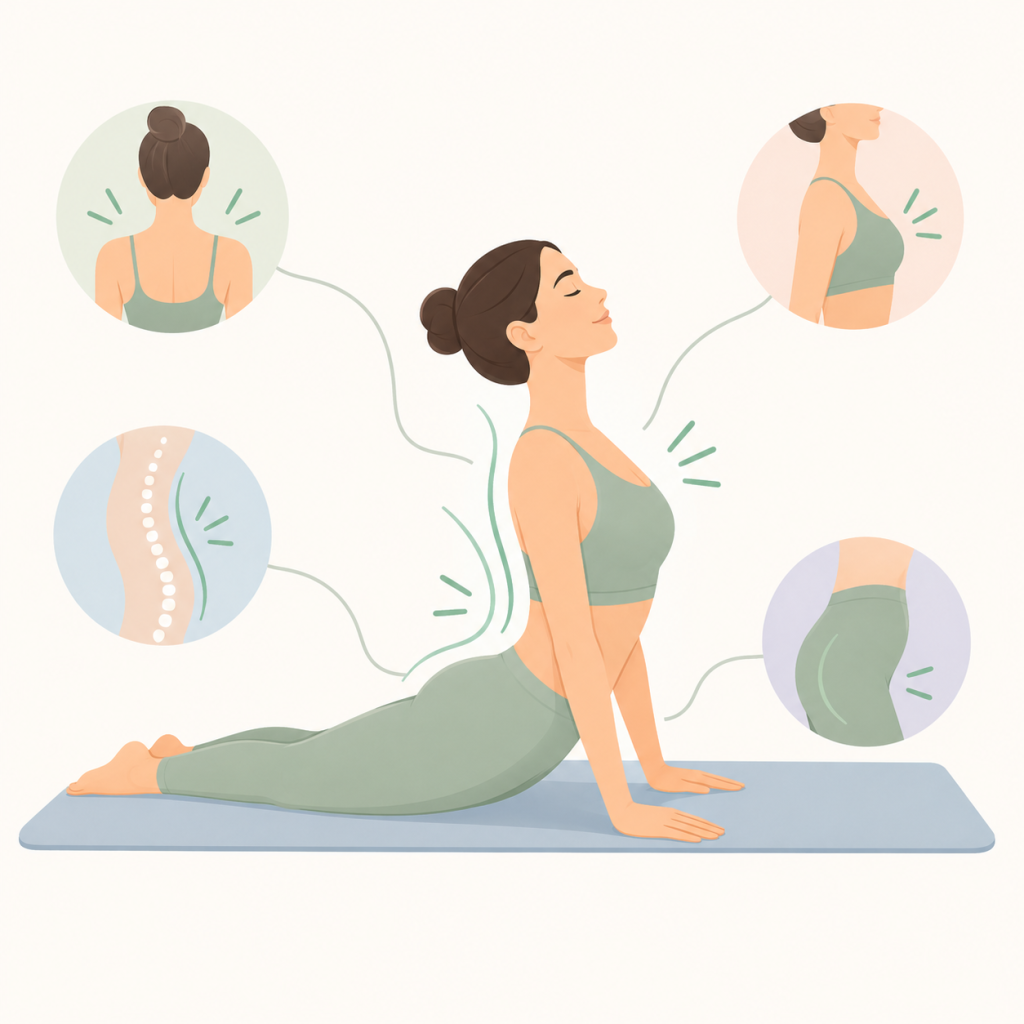
• hips
• shoulders
• chest
• lower back
Improved mobility allows the body to move more freely and comfortably.
Common posture problems Pilates can help improve
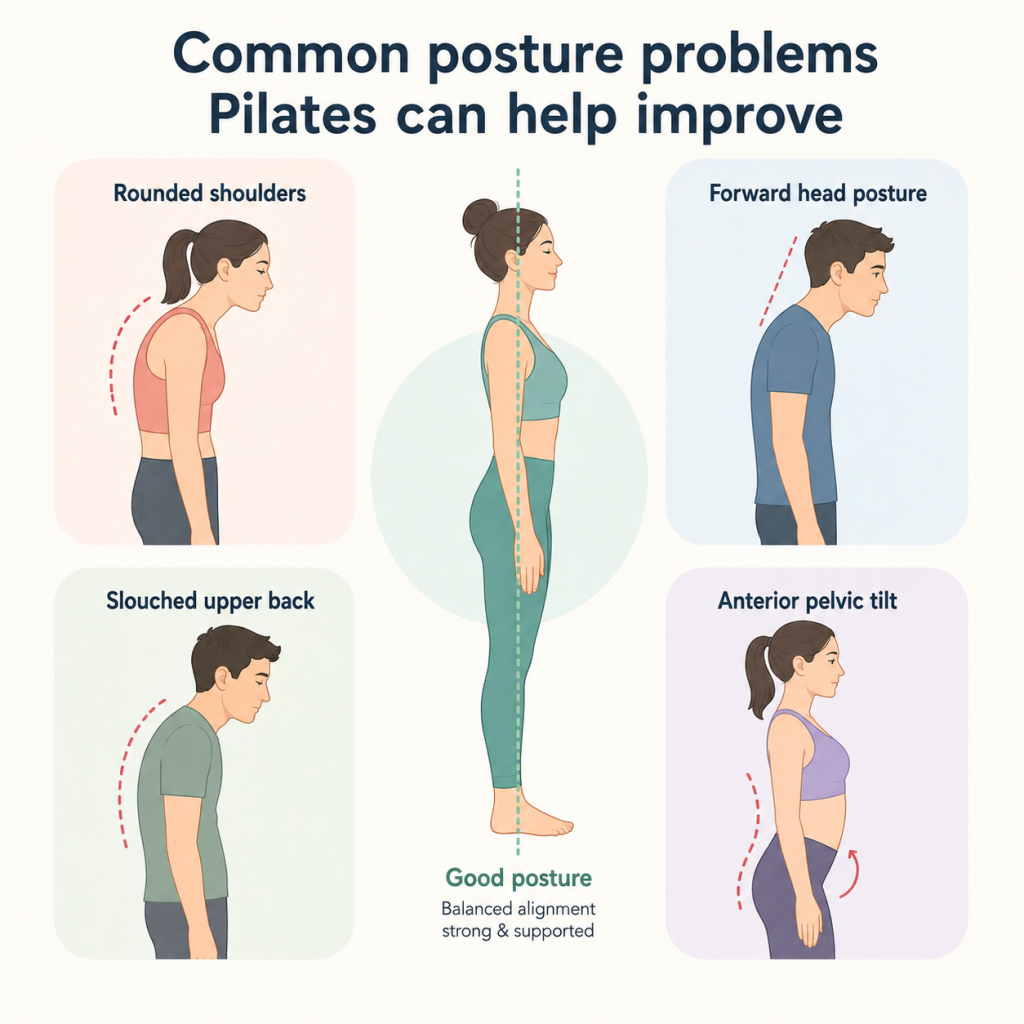
Pilates may help improve several common posture-related issues.
These include:
• rounded shoulders
• forward head posture
• slouching while sitting
• lower back tension
• weak core support
Because Pilates focuses on balanced strength, it helps address the root causes of these problems.
How often should you do Pilates for posture improvement?
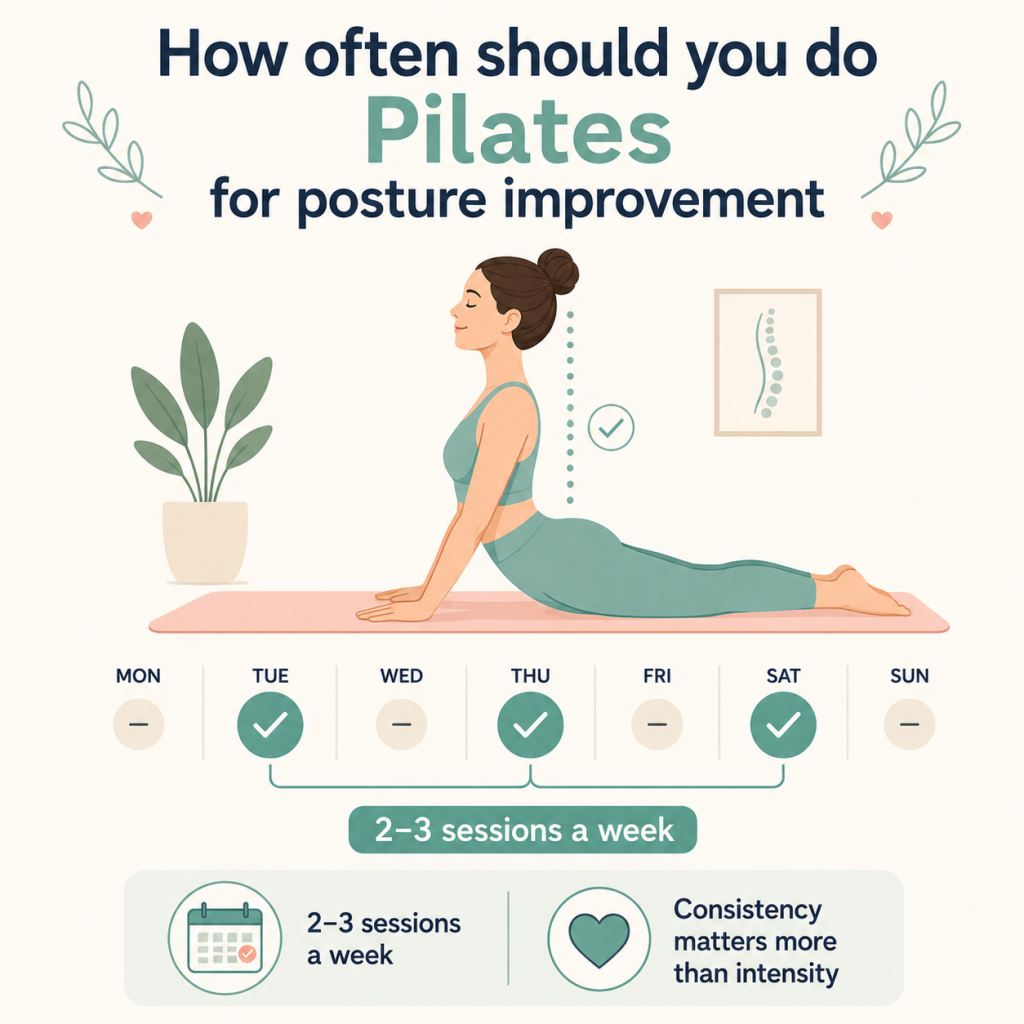
Most people benefit from practicing Pilates 2–3 times per week.
Consistency is important because posture changes develop gradually over time.
Regular sessions help:
• strengthen supporting muscles
• improve movement habits
• reduce muscle tension
• reinforce better alignment
Even short, consistent practice can make a noticeable difference.
How long does it take to improve posture with Pilates?
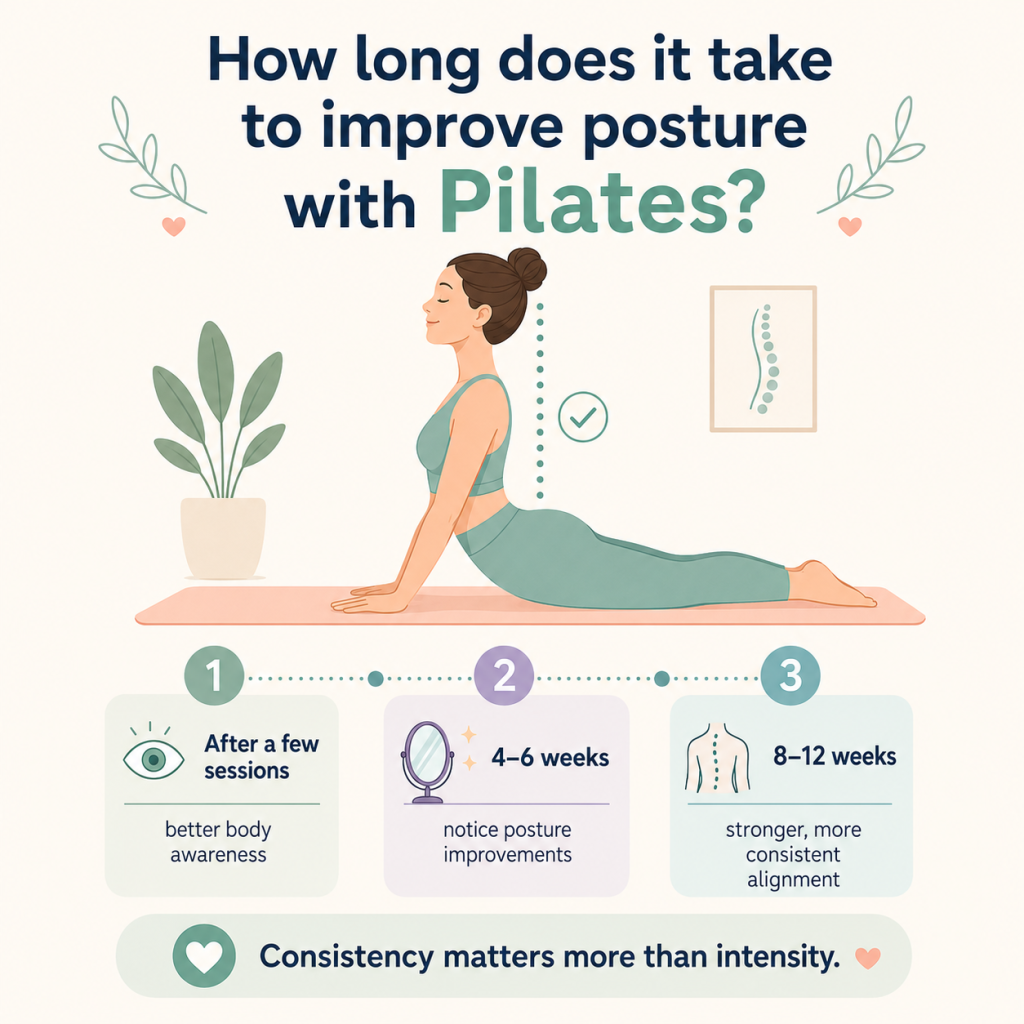
Some people begin to notice improvements within a few weeks.
Early changes may include:
• reduced neck and shoulder tension
• easier upright posture
• improved body awareness
• more comfortable movement
Visible posture improvements usually become more noticeable after several weeks or months of regular practice.
Daily habits that support better posture
Pilates works best when combined with healthy movement habits.
Helpful posture habits include:
• taking breaks from sitting
• adjusting screen height
• keeping shoulders relaxed
• engaging the core gently while sitting or standing
• avoiding looking down at phones for long periods
Small adjustments throughout the day support long-term posture improvement.
Who can benefit from Pilates for posture?
Pilates is suitable for many people, including:
• office workers
• students
• beginners starting exercise
• people with neck or back tension
• individuals wanting better body alignment
Because Pilates is low-impact, it is accessible to many fitness levels.